How Toowoomba's Climate Affects Your Exterior Cleaning Needs
Toowoomba sits at roughly 700 metres above sea level on the crest of the Great Dividing Range, and that elevation gives the city a climate quite different from nearby Brisbane or the Lockyer Valley. Cooler winters, hot but often breezy summers, regular storm activity and a mix of dry spells and heavy rain all affect how quickly your home's exterior gets dirty, and what kind of dirt builds up. Understanding these local conditions helps you plan cleaning at the right times and choose the right methods for your roof, walls, driveway and outdoor living areas.
Toowoomba's Climate at a Glance
Often called the Garden City, Toowoomba enjoys a temperate climate with four distinct seasons. Summers are warm rather than extreme, with average maximums typically in the high 20s °C, while winters are crisp, with frosty mornings and overnight temperatures that can drop close to or below zero on the coldest nights. Annual rainfall averages around 700 to 950 mm depending on the location and year, with most falling in the warmer months, often as intense thunderstorms.
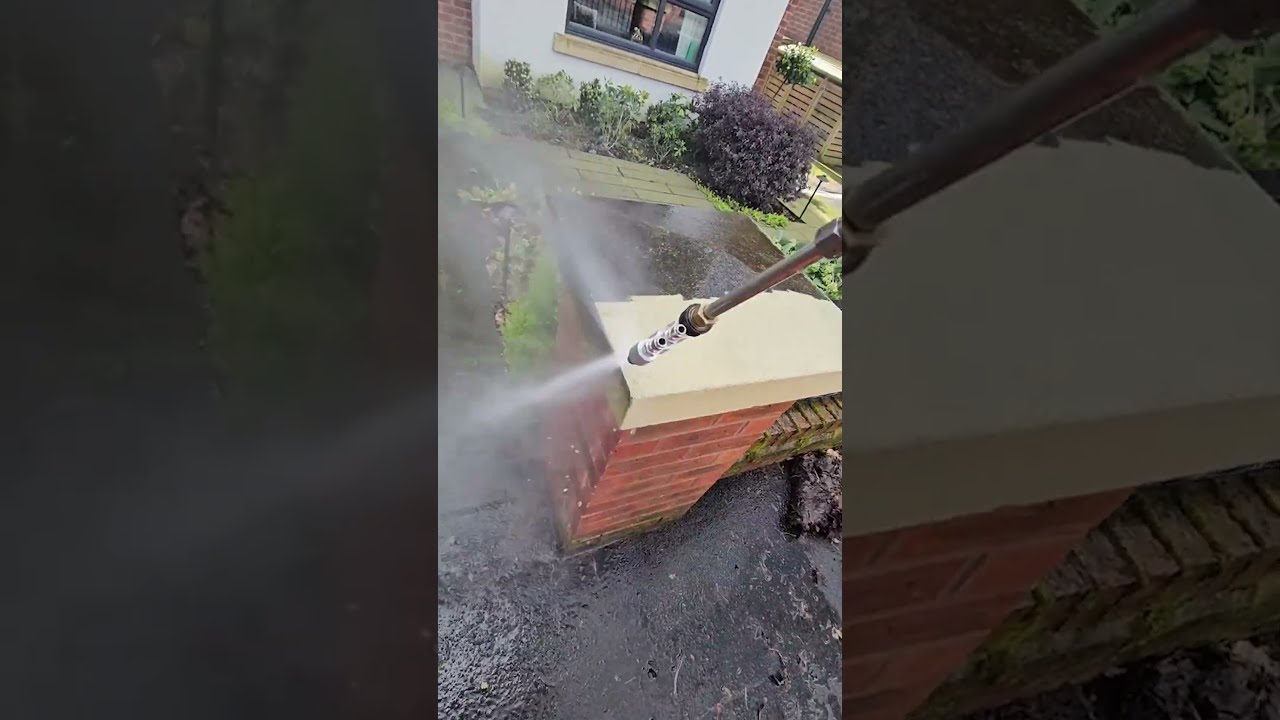
This combination of moisture, temperature swings and plenty of vegetation creates specific challenges for exterior surfaces. It also explains why cleaning schedules that suit a coastal or desert town may not be ideal here.

How Each Season Affects Your Home's Exterior
Summer: Storms, Dust and Rapid Growth
Summer storms are a defining feature of the Toowoomba region. They bring heavy rain, strong winds and occasionally hail, which can leave behind a mess of leaves, twigs, mud splatter and debris across roofs, gutters, driveways and patios. Warm, humid conditions after rain also encourage mould and algae to grow quickly, particularly on shaded or south-facing walls.
Strong UV levels at altitude also contribute to the breakdown of paint, sealants and timber finishes. Dirt that sits on these surfaces can trap moisture and accelerate that deterioration, so a post-storm clean-up is often worth doing sooner rather than later.

Autumn: Leaf Drop and Gutter Blockages
Toowoomba is known for its deciduous trees, which are celebrated in parks and streets across the city. Those same trees drop significant volumes of leaves in autumn, which can clog gutters, downpipes and roof valleys. Blocked gutters hold water against fascia boards and roof edges, and wet leaf matter stains pavers, concrete and decking with tannin marks.
Autumn is a sensible time to clear gutters, sweep roof surfaces and wash outdoor areas before the cooler, damper months arrive.
Winter: Frost, Damp and Moss
Winter in Toowoomba brings cold mornings, heavy dew and slower evaporation in shaded areas. Surfaces that stay damp for long periods are ideal for moss, lichen and algae. You will often see these growing on shaded concrete paths, north-south retaining walls, timber fences and the southern side of roofs where sunlight is limited.
Frost can also create a slip hazard on algae-covered surfaces. Moss growing in paving joints or on roof tiles can lift material and allow water to penetrate, so winter is a key season for monitoring problem areas.
Spring: Pollen, Wind and Insect Activity
Spring is when the Garden City is at its showiest, but flowering trees and gardens release large amounts of pollen and plant debris that settle on windows, outdoor furniture and painted surfaces. Spring winds can also carry dust from surrounding farmland and dry paddocks. Spider webs, wasp nests and insect droppings build up under eaves and around windows as insect activity increases.
This is an ideal time for a thorough exterior refresh, including windows, eaves, walls and outdoor entertaining areas, ahead of the warmer months.
Common Exterior Cleaning Problems Caused by Local Conditions
- Mould and algae: Black or green growth on roofs, walls and fences thrives wherever moisture lingers, especially in shaded spots.
- Moss and lichen: Common on roof tiles, concrete and pavers during the cooler, damp months.
- Dust and dirt film: Wind-blown soil from rural areas builds up on cladding, windows and solar panels.
- Tannin staining: Leaves from deciduous and native trees leave brown stains on pavers, decking and concrete.
- Oxidation and fading: Intense UV exposure at altitude can chalk and dull paint, Colorbond and other finishes, especially when dirt is left on the surface.
- Rust streaks and mineral deposits: Moisture and bore or tank water can leave stains on walls, driveways and fencing.
Surface-by-Surface Guidance for Toowoomba Homes
Roofs
Toowoomba homes feature a mix of concrete tiles, terracotta tiles and metal roofing. Tiles in shaded areas tend to collect moss and lichen, while metal roofs show dust, pollen and oxidation. Roof cleaning should be done carefully, as high pressure can damage tiles or strip protective coatings. Soft washing and appropriate treatments are generally safer for most roofing materials. Because working at height carries real risk, roof cleaning is best left to trained professionals with the right safety equipment.
Walls and Cladding
Brick, render, weatherboard and Colorbond cladding all respond differently to cleaning. Rendered and painted walls are prone to mould in damp, shaded areas and can be damaged by excessive pressure. A low-pressure wash combined with a suitable cleaning solution is usually the best option for removing growth without harming the finish.
Driveways, Paths and Paving
Concrete and paved areas show the effects of Toowoomba's climate quickly. Shaded sections may turn slippery from algae, while leaf stains and oil marks collect in high-traffic areas. High-pressure cleaning is effective on most concrete, but sealed surfaces and delicate pavers may need a gentler approach. Sealing after cleaning can help resist future staining and moisture absorption.
Decks and Outdoor Living Areas
Timber decks are exposed to UV, rain and frost, which can cause greying, splintering and mould. Cleaning and re-oiling or sealing on a regular schedule helps protect the timber. Composite decking also needs periodic cleaning to prevent mould in the grooves and surface staining from leaf litter.
Windows, Gutters and Solar Panels
Dust, pollen and storm residue reduce window clarity and can reduce solar panel efficiency. Gutters need regular attention, particularly in autumn and after major storms. Keeping these components clean helps your home perform better and reduces long-term maintenance costs.
A Practical Seasonal Cleaning Calendar
- Late winter to early spring: Treat moss, mould and algae, wash walls and clean windows after the dampest period.
- Late spring: Remove pollen, cobwebs and dust, and clean outdoor entertaining areas before summer.
- After summer storms: Clear debris from roofs and gutters, check for hail or wind damage, and rinse off mud and grime.
- Autumn: Clear gutters after leaf drop, clean pavers and decks, and treat tannin stains before winter sets in.
Water Use and Environmental Considerations
Water is a valued resource in the Darling Downs, and the region has experienced periods of drought and water restrictions in the past. Toowoomba residents are generally conscious of water use, so it is worth choosing cleaning methods that are efficient. Soft washing, targeted treatments and professional equipment can reduce the amount of water used compared with prolonged hosing. It is also important to prevent chemical runoff from entering stormwater drains and garden beds. Always check current local council guidelines and any water restrictions in place before cleaning, as rules can change.
When to Call a Professional
Many light cleaning tasks, such as sweeping, hosing windows and clearing low-level debris, are manageable for homeowners. However, professional help is advisable when:
Work is required at height, such as roofs, second-storey walls or high gutters. Surfaces are delicate or aged, and incorrect pressure could cause damage. Mould or moss growth is widespread or keeps returning. You want to prepare surfaces for repainting or sealing. Or you need to meet the cleanliness standards of a property sale or lease inspection.
Professionals understand how Toowoomba's climate affects different materials and can tailor methods and products to suit each surface and season.
Final Thoughts
Toowoomba's elevation, seasonal variation, storm activity and abundant greenery all shape how your home's exterior ages and what it needs to stay in good condition. By matching your cleaning routine to the local climate, tackling moss and mould early, clearing leaf litter before it causes problems and protecting surfaces from UV and moisture, you can extend the life of your roof, walls, paving and outdoor spaces while keeping your property https://josueuabg879.evergrovio.com/posts/how-to-clean-heritage-sandstone-pavers-without-surface-loss looking its best year-round.
Toowoomba Pressure Cleaning Pros
(07) 4646 4034